
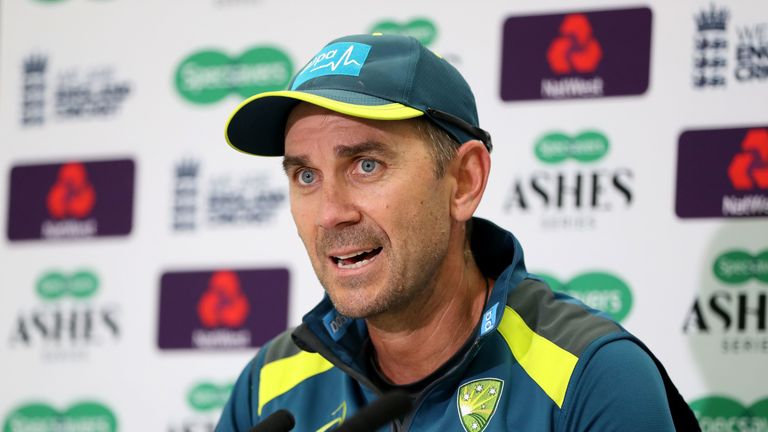
As another gripping season of the Indian Premier League draws to a close, attention has once again shifted to Justin Langer, the former head coach of Australia. Speculation continues to grow around his potential candidacy for one of the most demanding and prestigious roles in world cricket—head coach of the Indian national team.
Langer has openly acknowledged that coaching India represents the pinnacle of the profession, but not without immense challenges. Having already experienced the relentless scrutiny that comes with leading Australia, he understands that such a role requires more than technical expertise. Timing, emotional readiness, and personal balance are critical factors. For Langer, the decision would depend not just on opportunity, but on whether the moment is right—mentally and professionally—to step into cricket’s most intense spotlight.
Much like strategic decisions made on platforms such as vegas11, Langer believes success at this level is about preparation, patience, and knowing when to make the move.
The IPL Crucible: Pressure, Pace, and Performance
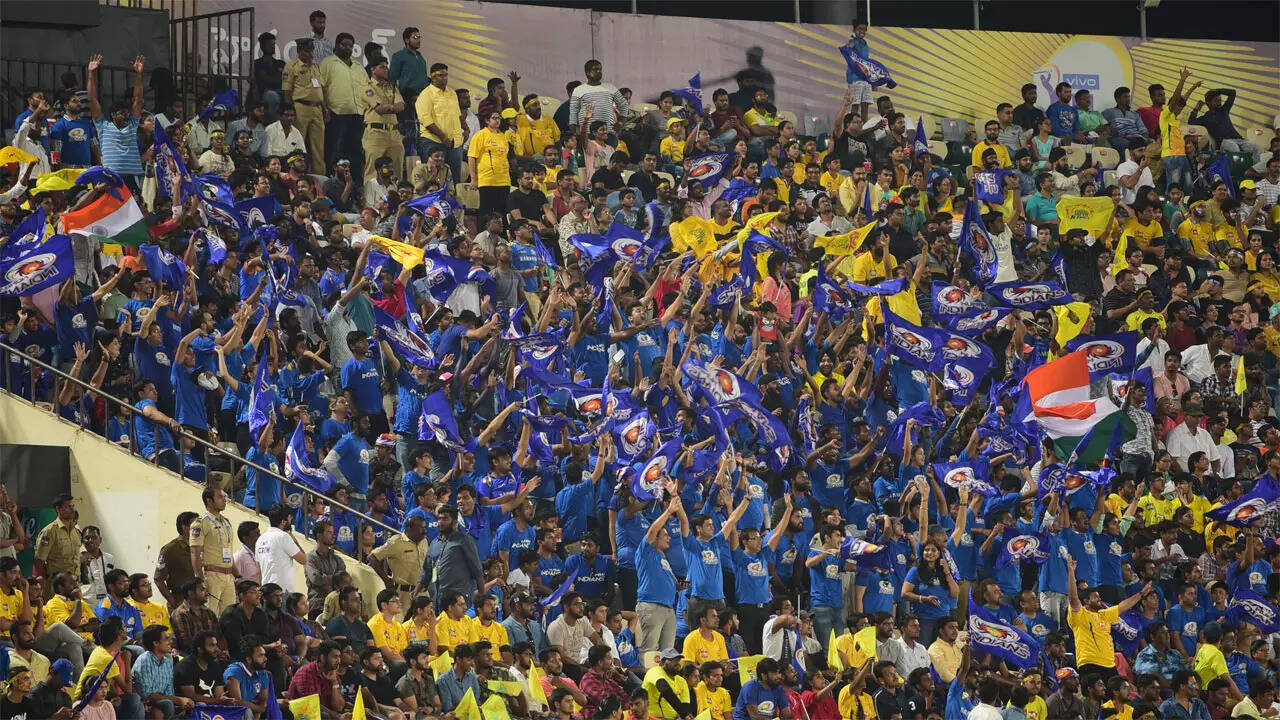
Reflecting on his experiences in the Indian Premier League, Langer describes the tournament as a pressure cooker rivaling the intensity of a World Cup. The IPL’s fast pace, passionate crowds, and constant media noise create an environment where every decision is magnified.
Despite the distractions, Langer speaks with admiration about the league’s quality and competitiveness. From sold-out stadiums to last-over thrillers, the IPL showcases cricket at its most electrifying. However, he also notes the physical and mental toll such an unforgiving schedule can take on both players and coaching staff, reinforcing the importance of resilience and adaptability.
Just as fans follow every twist of the season through analysis and prediction platforms like vegas11, those inside the IPL must remain sharp, flexible, and mentally strong to survive its relentless demands.
Backing KL Rahul: Experience Over Noise
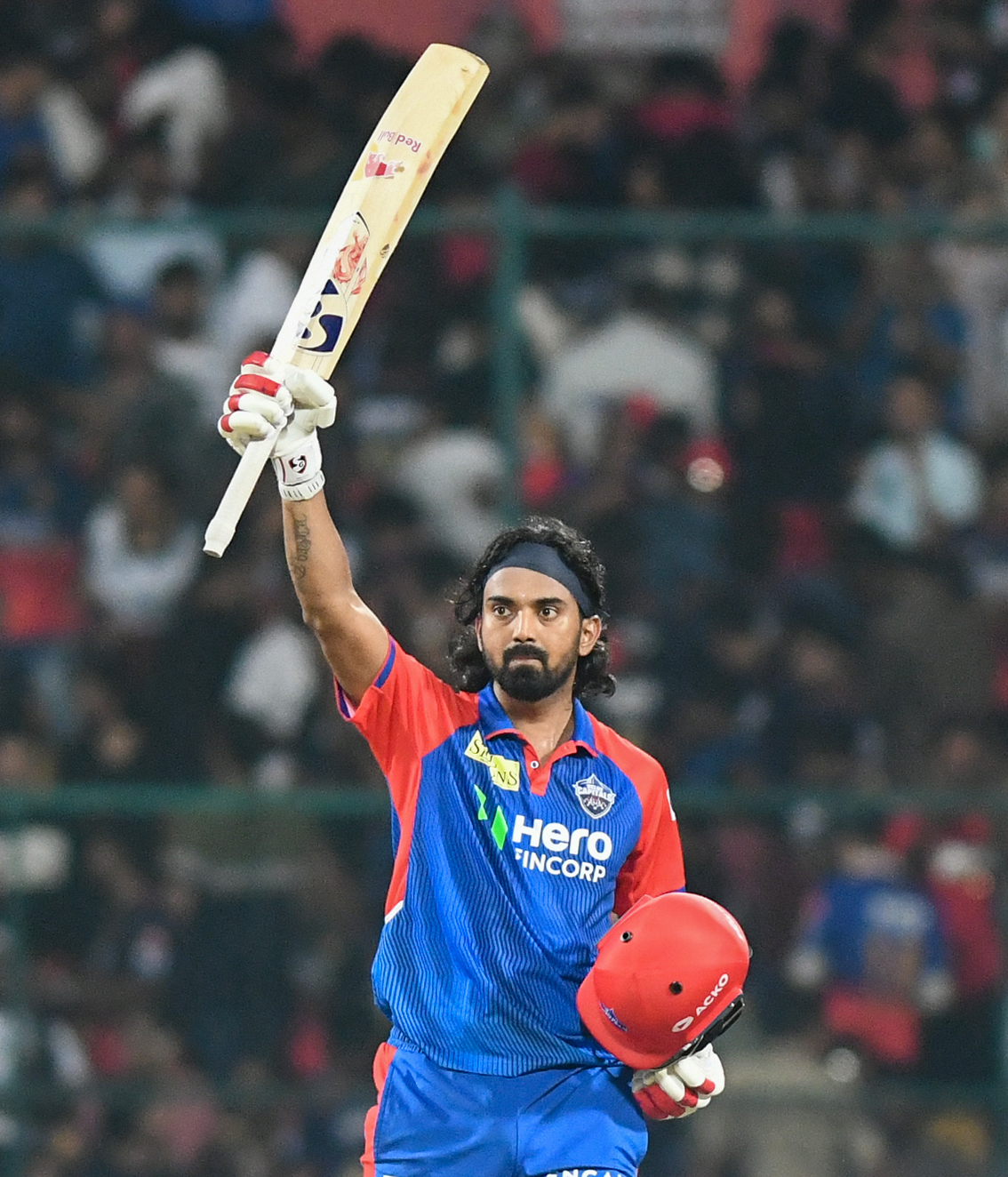
Amid broader discussions, Langer has also come forward in defense of KL Rahul, who has faced criticism over his strike rate and approach at the crease. Langer urges observers to look beyond raw numbers and consider context, experience, and evolving team roles.
He emphasizes that modern cricket constantly changes, and adaptability—not reckless aggression—is often the mark of a mature player. Langer remains confident in Rahul’s ability to adjust and deliver when it matters most. He also highlights the emotional weight carried by elite athletes, particularly after high-profile setbacks such as missing out on World Cup selection.
In a game where judgment is instant and unforgiving—much like real-time decision-making on vegas11—Langer believes perspective and trust are essential for long-term success.
Conclusion: Leadership, Timing, and the Bigger Picture

Through his reflections on coaching ambitions, the IPL’s intensity, and player criticism, Justin Langer offers a measured and insightful view of modern cricket. Whether or not he eventually takes on the Indian head coach role, his comments underline a deeper truth: success at the highest level depends as much on timing and emotional intelligence as it does on tactics.
From the roar of IPL crowds to the quiet pressure of leadership decisions, the cricketing world remains a complex, high-stakes arena—one navigated by preparation, resilience, and informed choices, values echoed both on the field and across platforms like vegas11.